Film Monamour Lk21 ^new^ Direct

Yet in 2026, appreciating a film is as much about the viewing experience as the film itself. That’s where LK21 and similar platforms enter the conversation—not as cinematic authorities, but as symptoms of a larger distribution problem. For many viewers, these sites are a fast, chaotic way to find rare or out-of-print films, subtitled arthouse imports, or the latest buzzed-about indie. They fill gaps left by fragmented streaming catalogs, geo-blocking, and licensing limbo. But they also bring risks: questionable quality, missing subtitles, and legal and security concerns that complicate the simple pleasure of watching.

At the end of the day, whether you first hear about a film on an aggregator, a social feed, or in a cramped screening room, what matters is the experience the film gives you: a quiet late-night confession, a look that says more than words, a melody that returns when you least expect it. If Monamour captures moments like that, it will live on—wherever people manage to watch it. film monamour lk21

There’s something quietly addictive about movies that wear their hearts on their sleeves yet refuse to be sentimental. A film called Monamour promises that kind of tenderness: an intimate study of longing where faces and silences carry more weight than tidy plot mechanics. Imagine scenes lit by late-night street lamps, two characters circling each other with polite lies and honest yearnings, and a soundtrack that knows when to be present and when to let the image do the speaking. The best small romances don’t rush to conclusions; they let characters reveal their contradictions slowly, and Monamour would be the kind of film to linger in your head long after the credits roll. Yet in 2026, appreciating a film is as

What’s interesting is how this tension shapes film culture. On one hand, the DIY spirit of hunting down a hard-to-find title can feel like a treasure hunt—part of the joy is the chase. On the other, legitimate platforms and film festivals are increasingly essential for preserving creators’ rights and ensuring films get proper context, restoration, and credit. For a movie like Monamour, the ideal path is clear: festival premieres, careful subtitling, curated releases on indie-friendly platforms, and respectful coverage that helps the film find its audience without undermining the creators. They fill gaps left by fragmented streaming catalogs,
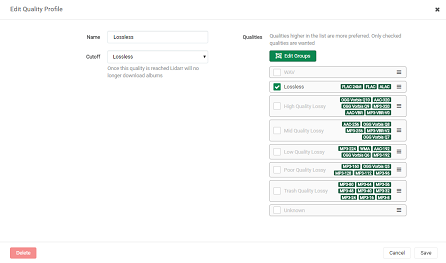
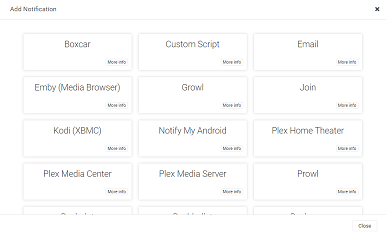
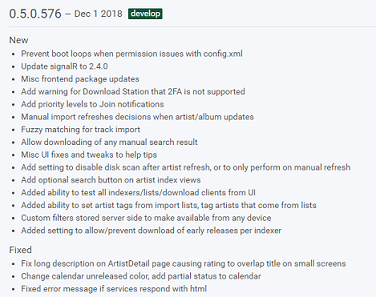
Notifications and fully customizable quality profiles.

film monamour lk21 film monamour lk21
film monamour lk21 film monamour lk21 film monamour lk21

Multiple Movie views.

film monamour lk21 film monamour lk21

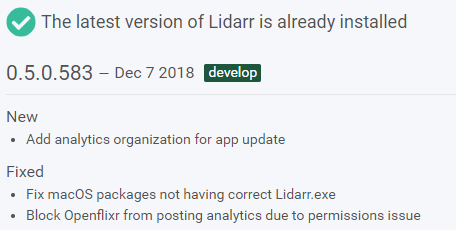
Frequent updates. See what's new without leaving the comfort of the app.

Summary

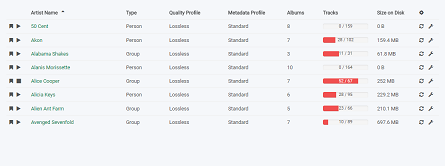
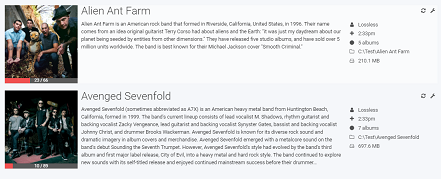
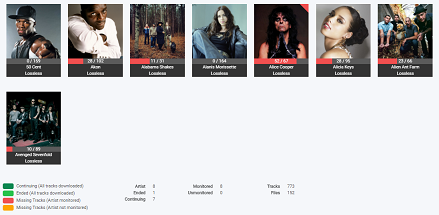
Lidarr is a music collection manager for Usenet and BitTorrent users. It can monitor multiple RSS feeds for new albums from your favorite artists and will interface with clients and indexers to grab, sort, and rename them. It can also be configured to automatically upgrade the quality of existing files in the library when a better quality format becomes available.

Features

film monamour lk21

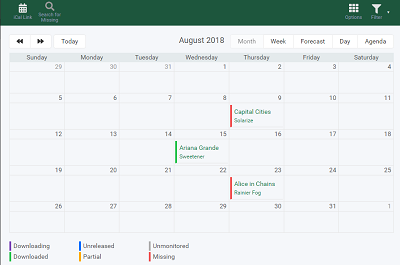
Calendar

See all your upcoming albums in one convenient location.

film monamour lk21

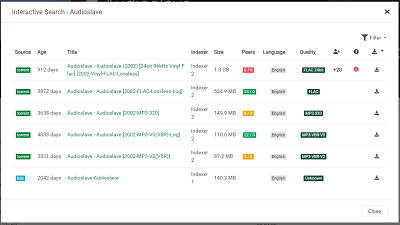
Manual Search

Find all the releases, choose the one you want, and send it right to your download client.

film monamour lk21

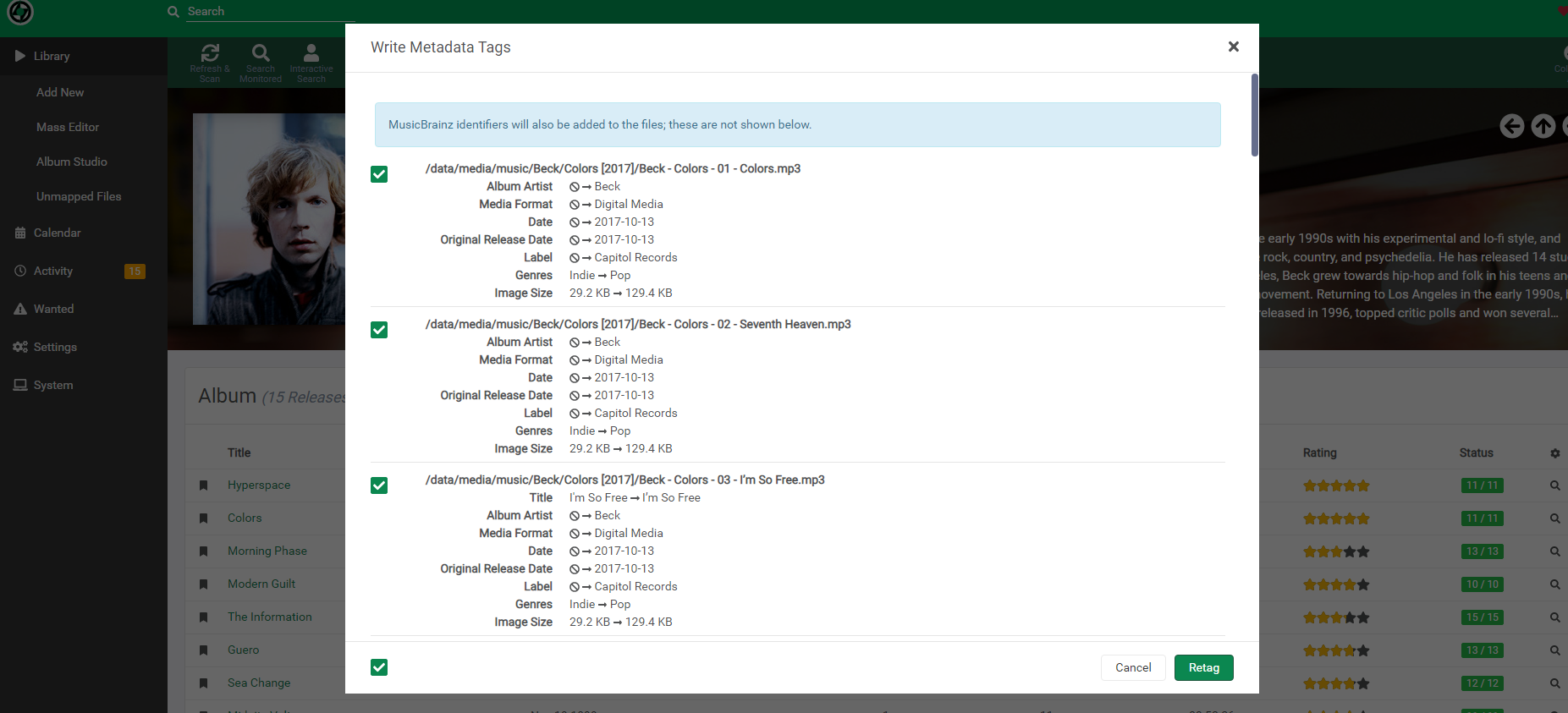
Metadata Writing

Metadata tags a mess? No problem. Lidarr will whip your current library into shape and ensure any new music is tagged correctly and uniformly.

film monamour lk21

Import Lists

Follow your favorite artists or top 20 albums using import lists. Lists can be used from supported services like Last.FM and Headphones.

Yet in 2026, appreciating a film is as much about the viewing experience as the film itself. That’s where LK21 and similar platforms enter the conversation—not as cinematic authorities, but as symptoms of a larger distribution problem. For many viewers, these sites are a fast, chaotic way to find rare or out-of-print films, subtitled arthouse imports, or the latest buzzed-about indie. They fill gaps left by fragmented streaming catalogs, geo-blocking, and licensing limbo. But they also bring risks: questionable quality, missing subtitles, and legal and security concerns that complicate the simple pleasure of watching.
At the end of the day, whether you first hear about a film on an aggregator, a social feed, or in a cramped screening room, what matters is the experience the film gives you: a quiet late-night confession, a look that says more than words, a melody that returns when you least expect it. If Monamour captures moments like that, it will live on—wherever people manage to watch it.

There’s something quietly addictive about movies that wear their hearts on their sleeves yet refuse to be sentimental. A film called Monamour promises that kind of tenderness: an intimate study of longing where faces and silences carry more weight than tidy plot mechanics. Imagine scenes lit by late-night street lamps, two characters circling each other with polite lies and honest yearnings, and a soundtrack that knows when to be present and when to let the image do the speaking. The best small romances don’t rush to conclusions; they let characters reveal their contradictions slowly, and Monamour would be the kind of film to linger in your head long after the credits roll.

What’s interesting is how this tension shapes film culture. On one hand, the DIY spirit of hunting down a hard-to-find title can feel like a treasure hunt—part of the joy is the chase. On the other, legitimate platforms and film festivals are increasingly essential for preserving creators’ rights and ensuring films get proper context, restoration, and credit. For a movie like Monamour, the ideal path is clear: festival premieres, careful subtitling, curated releases on indie-friendly platforms, and respectful coverage that helps the film find its audience without undermining the creators.

Support