Population Density in terms of Geography in I...
The most common sort among the calculations of population density is as defined by the number of persons per square kilometre. Calculations of population density depict...
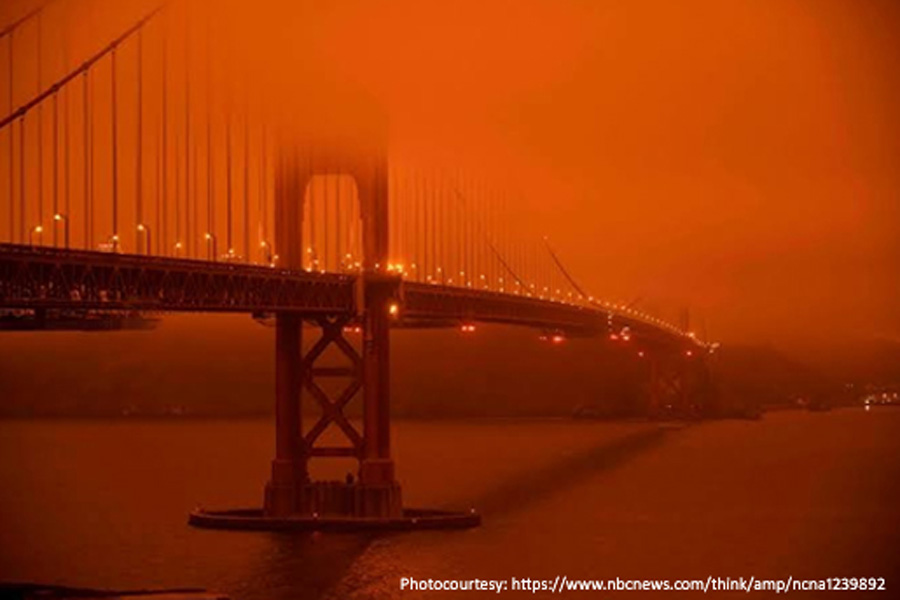
US Climate-No Cause for A...
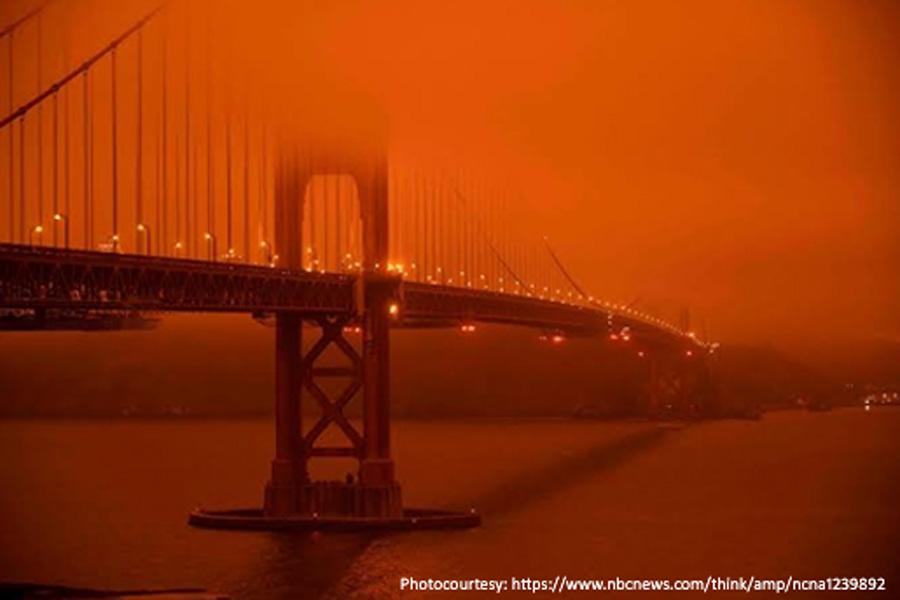
‘I don’t believe it’, was US President Donald Trump’ response to the ‘the National Climate Assessment’, in which clim...
Wind Types | Why They are...
Ascertaining wind types is important to understand disas... Ikoreantv.com Drama
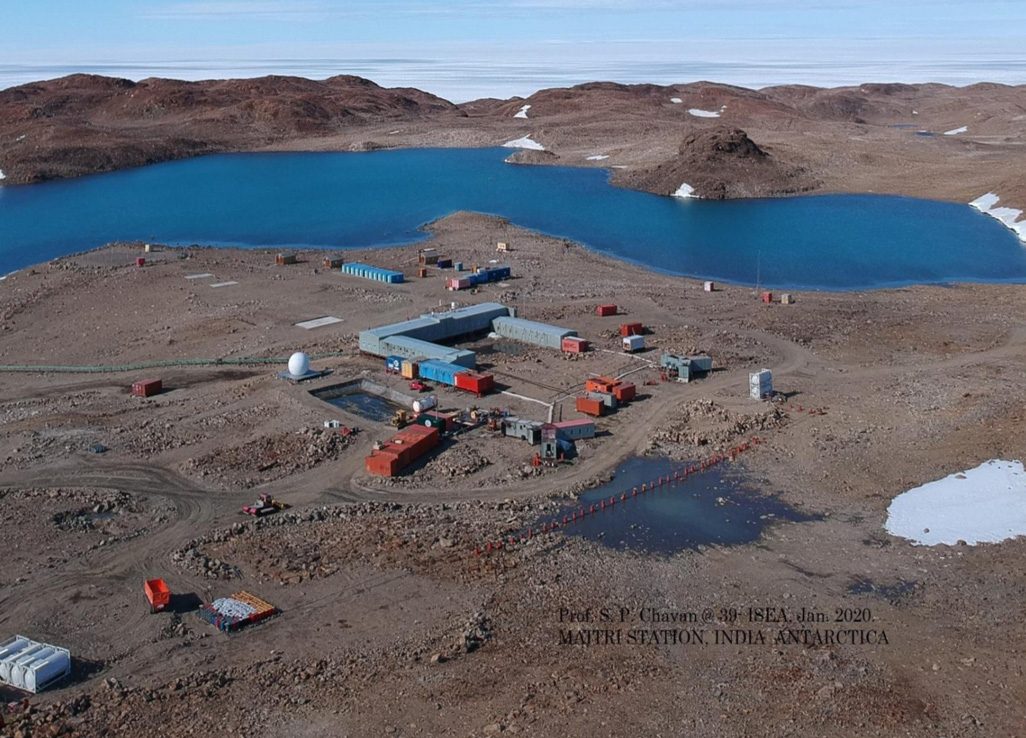
India is set to embark on a new chapter in its Polar exploration journey with the construction of Maitri II. The Indian government plans to establish a new research station near the existing Maitri base, located in the Schirmacher Oasis region of East Antarctica, which was commissioned in 1989. The completion of the research station would be India's fourth r...
The Deep Ocean Mission (DOM), approved by the Government of India in 2021 under the Ministry of Earth Sciences (MoES), represents a strategic step in realizing Sustainable Development Goal 14 (SDG 14: Life Below Water)1 and advancing the national vision of Viksit Bharat 2047. In this episode of GnY Live, we participate in a discussion with Dr. M. Ravichandra...
China recently announced restrictions on the export of seven rare earth elements (REEs), soon after US President Donald Trump decided to impose tariffs. As the world's dominant supplier—responsible for over 85 to 90 per cent of rare earth processing (Jayadevan, 2025)—this decision has raised alarms across the tech, defence, and energy sectors worldwide. Bu...
A Fork in the Road What comes next for Ikoreantv.com is undecided. Some hope for reconciliation: clearer rules, empathetic moderation, and renewed commitment to community-building. Others worry the site will splinter, its best users moving to smaller, private spaces or established platforms with stricter oversight. Yet even if the site changes form, the emotional currents it revealed—about who gets to shape culture, who is heard, and what counts as access—won’t vanish.
Ikoreantv.com arrived like an unassuming whisper in the crowded world of online fandoms: a fan-run site promising subtitled episodes, episode guides, and a place where devoted viewers could gather to decode every lingering glance and plot twist. At first glance it felt familiar—another corner of the internet dedicated to the intoxicating world of Korean dramas. But beneath its polished thumbnails and neatly arranged episode lists, a different kind of story was unfolding: one of community, conflict, and the messy human impulses that follow when passion meets digital anonymity.
The Moderation Dilemma Moderating a passionate fandom is an impossible tightrope. Too permissive, and the site devolves into toxicity; too strict, and people feel censored. Ikoreantv.com’s moderators had to make judgment calls about spoilers, slurs, pirated links, and harassment—and those calls were intensely personal. When a beloved moderator left after a particularly heated dispute, the balance shifted. New moderators enforced rules more rigidly, and factions formed: those who longed for the old, looser community and those who wanted a cleaner, safer space for newcomers.
Tensions Rise But where people gather, tensions follow. Disagreements that start small—about translation choices, subtitling accuracy, or which show deserved front-page love—snowballed. Some users accused the moderators of bias, claiming certain dramas or actors received preferential treatment. Others criticized the site for hosting content unavailable elsewhere, sparking debates about legality, ethics, and access. The arguments were not always about policy: they were moral debates dressed in fandom language, with users accusing each other of gatekeeping or cultural insensitivity.
The Beginnings What made Ikoreantv.com alluring was how ordinary it seemed. Built by enthusiasts, it offered translations and fresh episode links, curated playlists for binge nights, and fervent comment threads that read like live, breathless conversations. For many newcomers it was a haven: access to shows that weren’t easily available on major platforms, plus the comforting sense of belonging that comes from fandom rituals—GIFs, reaction posts, and midnight spoiler debates.
A Community Forms Communities form around shared obsessions, and Ikoreantv.com was no exception. Regulars developed shorthand—inside jokes, nicknames for favorite actors, a lexicon of tropes they loved to dissect. Moderators emerged: patient custodians who pruned spam, mediated fights, and decided which threads would thrive. These volunteer gatekeepers often blurred the line between steward and celebrity within the group, their voices shaping the site’s mood and standards.
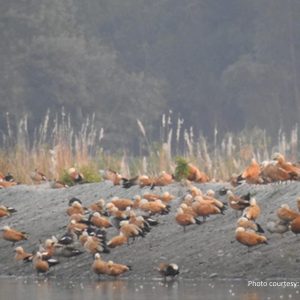
Located in the Dehradun district, the Asan Conservation Reserve is the 38th Ramsar site in India and first in the state of Uttarakhand. It is a human-made wetland, which has resulted due to the Asan B..
A new paper by British climate writer, Paul Homewood says that average temperature rise in the USA is not alarming. Based on the data received from the NOAA, it claims that there has been little or no...
The risk of climate change is universal but the poor are more vulnerable with worsening food security and exacerbating hunger in developing countries. Climate change is also likely to affect species distribution and increase the threat of extinction and loss of biodiversity. ..
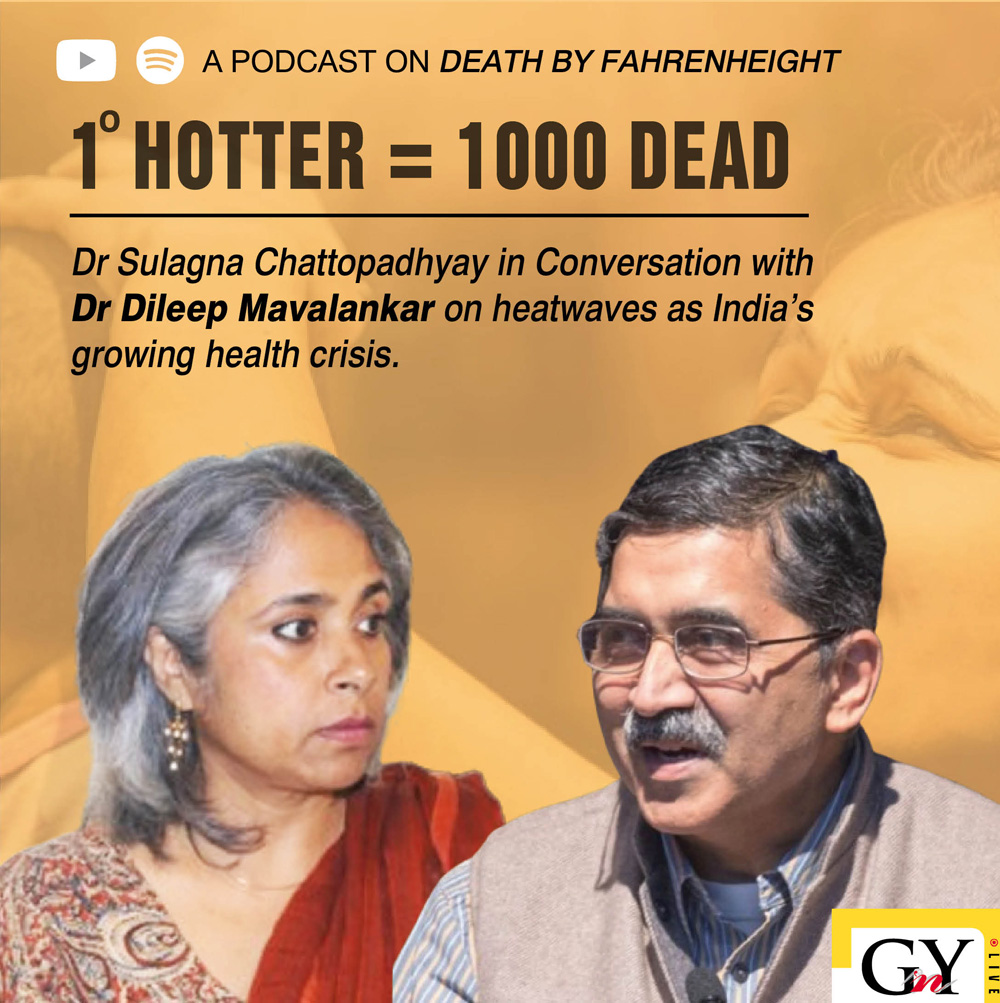
1° Hotter = 1000 Dead: Heat Waves as India’s Growi...
Heatwaves are no longer episodic extremes but are increasingly becoming a structural...
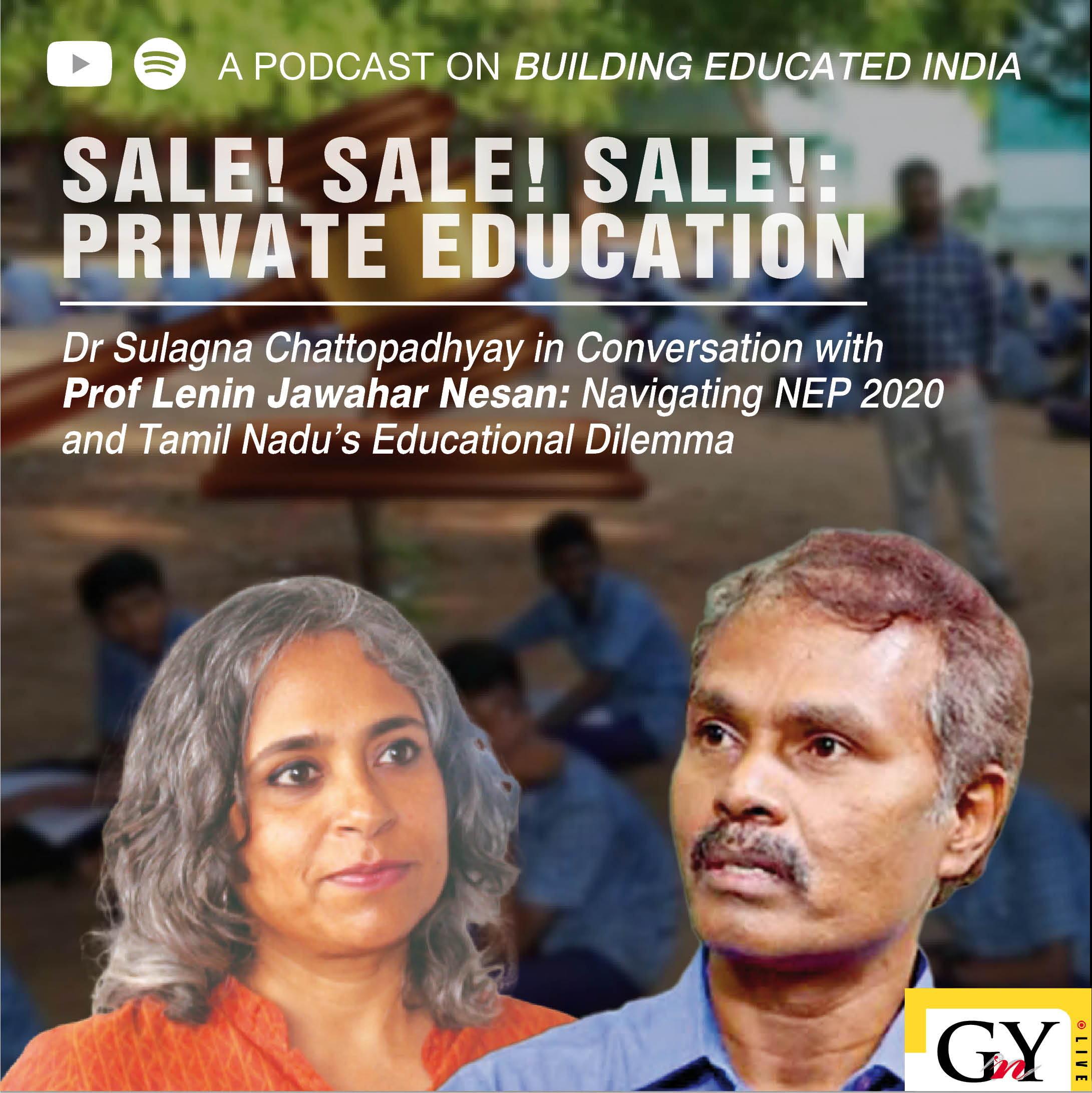
Sale! Sale! Sale!: Private Education
As India stands at a critical juncture in education reform, questions surrounding pri...
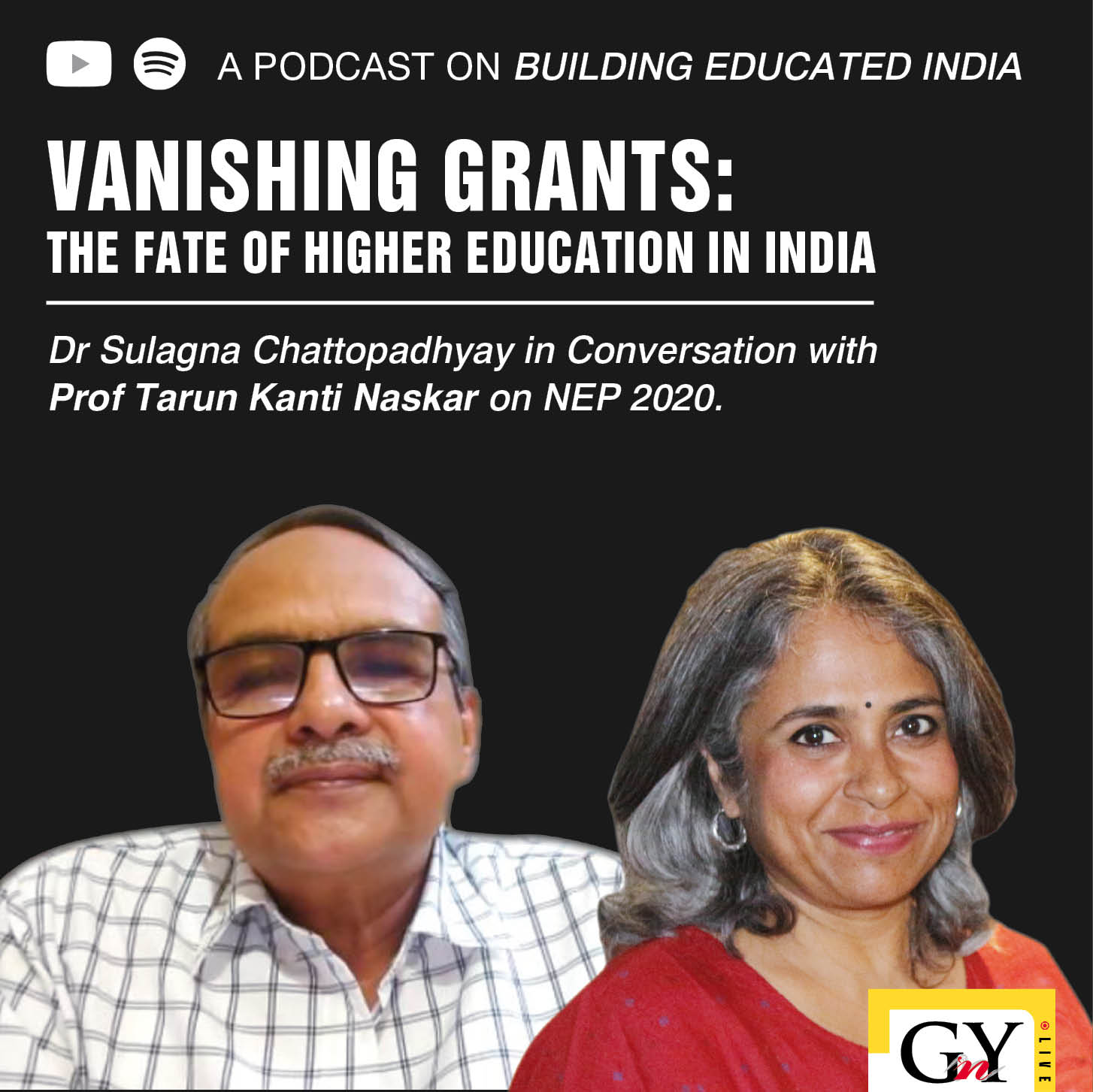
Vanishing Grants: The Fate of Higher Education in...
The foundational principle upon which our education system rests is fundamentally bas...
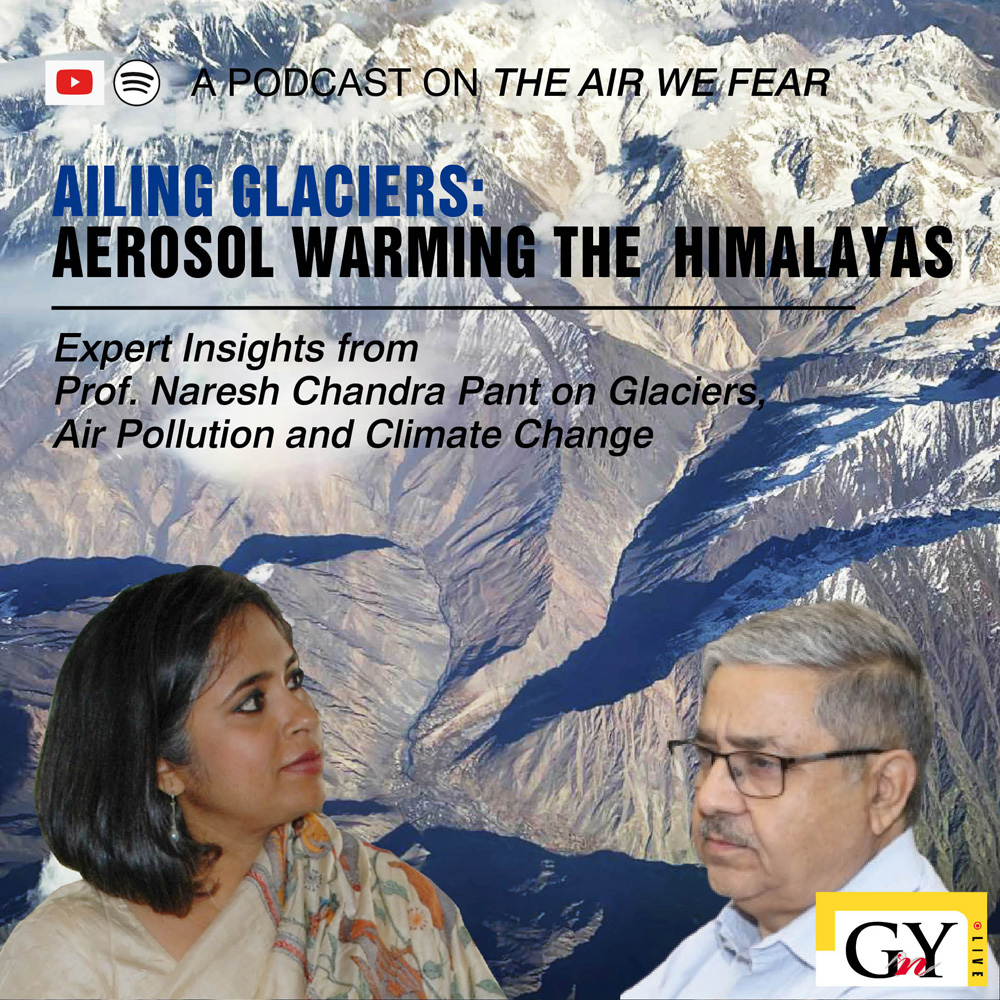
Ailing Glaciers: Aerosol Warming the Himalayas-Ins...
The Himalayan glaciers face significant climate change and air pollution threats. In...
A Fork in the Road What comes next for Ikoreantv.com is undecided. Some hope for reconciliation: clearer rules, empathetic moderation, and renewed commitment to community-building. Others worry the site will splinter, its best users moving to smaller, private spaces or established platforms with stricter oversight. Yet even if the site changes form, the emotional currents it revealed—about who gets to shape culture, who is heard, and what counts as access—won’t vanish.
Ikoreantv.com arrived like an unassuming whisper in the crowded world of online fandoms: a fan-run site promising subtitled episodes, episode guides, and a place where devoted viewers could gather to decode every lingering glance and plot twist. At first glance it felt familiar—another corner of the internet dedicated to the intoxicating world of Korean dramas. But beneath its polished thumbnails and neatly arranged episode lists, a different kind of story was unfolding: one of community, conflict, and the messy human impulses that follow when passion meets digital anonymity.
The Moderation Dilemma Moderating a passionate fandom is an impossible tightrope. Too permissive, and the site devolves into toxicity; too strict, and people feel censored. Ikoreantv.com’s moderators had to make judgment calls about spoilers, slurs, pirated links, and harassment—and those calls were intensely personal. When a beloved moderator left after a particularly heated dispute, the balance shifted. New moderators enforced rules more rigidly, and factions formed: those who longed for the old, looser community and those who wanted a cleaner, safer space for newcomers.
Tensions Rise But where people gather, tensions follow. Disagreements that start small—about translation choices, subtitling accuracy, or which show deserved front-page love—snowballed. Some users accused the moderators of bias, claiming certain dramas or actors received preferential treatment. Others criticized the site for hosting content unavailable elsewhere, sparking debates about legality, ethics, and access. The arguments were not always about policy: they were moral debates dressed in fandom language, with users accusing each other of gatekeeping or cultural insensitivity.
The Beginnings What made Ikoreantv.com alluring was how ordinary it seemed. Built by enthusiasts, it offered translations and fresh episode links, curated playlists for binge nights, and fervent comment threads that read like live, breathless conversations. For many newcomers it was a haven: access to shows that weren’t easily available on major platforms, plus the comforting sense of belonging that comes from fandom rituals—GIFs, reaction posts, and midnight spoiler debates.
A Community Forms Communities form around shared obsessions, and Ikoreantv.com was no exception. Regulars developed shorthand—inside jokes, nicknames for favorite actors, a lexicon of tropes they loved to dissect. Moderators emerged: patient custodians who pruned spam, mediated fights, and decided which threads would thrive. These volunteer gatekeepers often blurred the line between steward and celebrity within the group, their voices shaping the site’s mood and standards.